How I came to see that a thought has Torq.
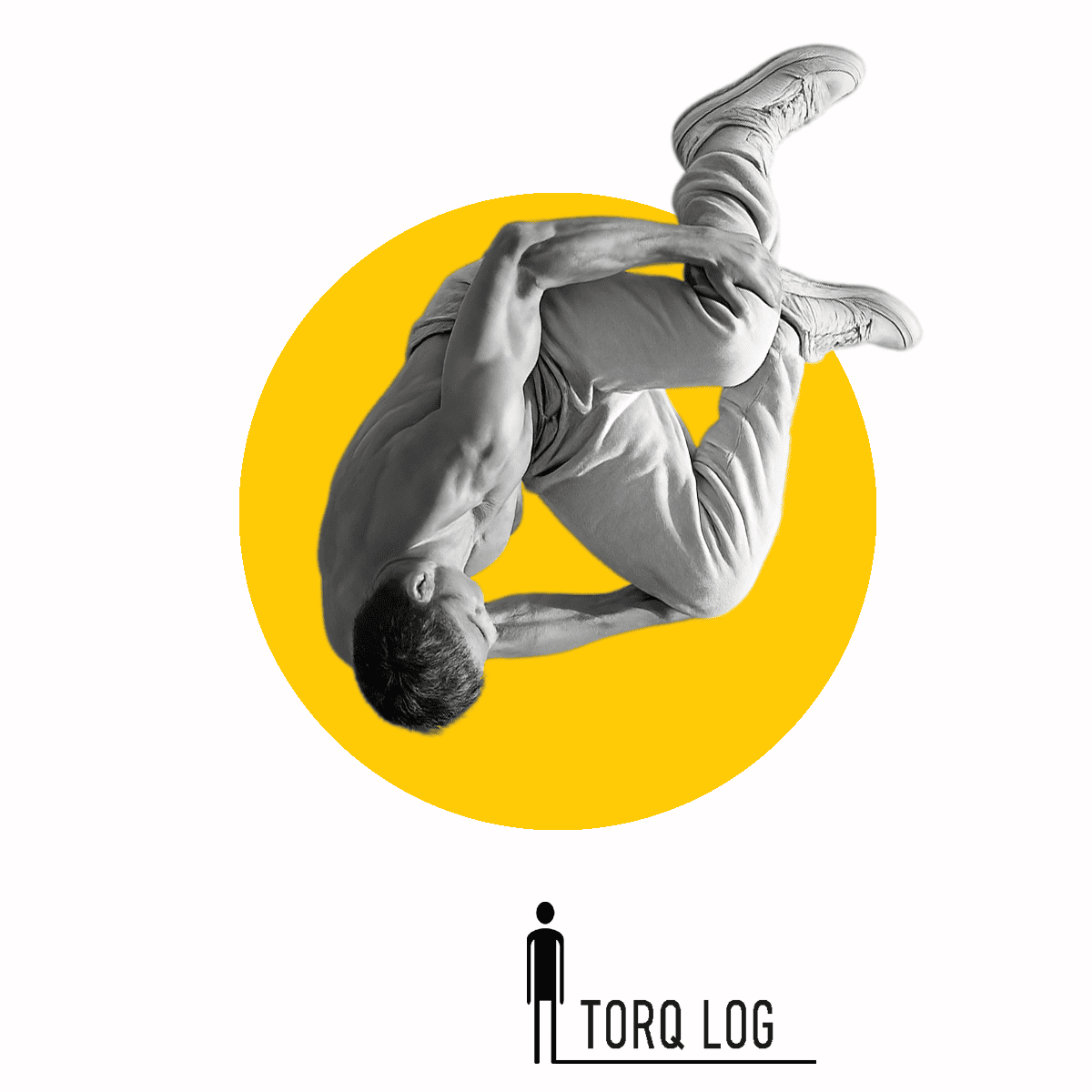
Neurophysiologists experiment on lab mice.
At Bodyenergy.lab, I tested ideas on circus acrobats.
For two reasons.
I’m interested in their way of seeing the world.
For example, they divide people—into circus and normal.
I’d say they could use a little more inclusivity there.
Although I’m somewhat flattered that, in their view, I’m not one of the other kind.
And of course, testing a working idea on acrobats instantly gives you a clear yes-or-no result.
But that’s not what this is about.
One day, an acrobat came to me for therapy. He had a shoulder injury and a contract for a tour in Germany. One ruled out the other. We bet on the contract.
To my regret, the injury didn’t cancel rehearsals. He kept going to the Circus.
The problem was that in this circus program, he had to perform a new, technically difficult trick. Which he didn’t know.
Even from his point of view, a mistake during the trick carried an unacceptable risk. So he would just sit where the audience usually sits and rehearse mentally. It was news to him when I said that in sports science, this is called ideomotor training.
At our fifth session, he told me he had landed the trick. Without a safety net.
He had mentally built a sensorimotor model of the trick under the Circus dome — one resistant to interference (fear, fatigue). It included the distribution of torque in his joints and complex rotation using the mechanics of a spinning top. And when his body said Yes!, he jumped with that model, up there where a normal person would have asked for a parachute.
Thought had generated Torq.
It’s a working tool. Not only in the Circus.
By Aleksandr Myshkin